- Health
- April 15. 2024


The engineering behind the benefits of the World’s first orbital-motion toothbrush
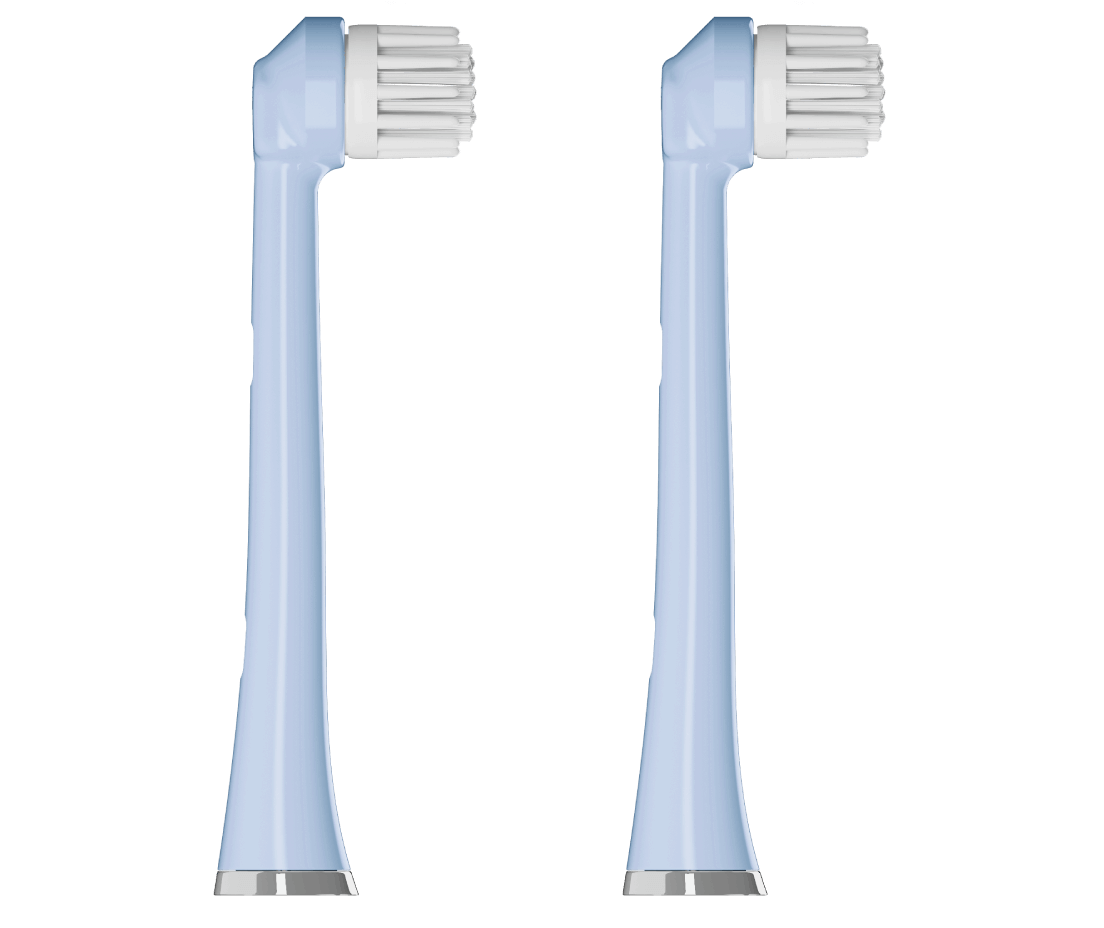
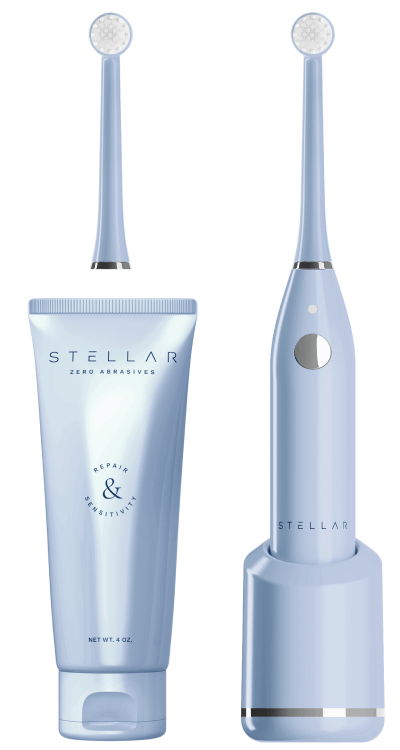
Compared to traditional toothbrushes with back-and-forth or rotary motions, the orbital motion toothbrush reduces the risk of enamel and gum wear and irritation. Its fixed orbital path ensures consistent coverage of the entire mouth, while subtle sub-rotations within each brush cycle prevent undesirable patterns on the teeth.

To understand the superiority of orbital motion over conventional options, let’s explore the mathematics behind the toothbrush’s motion. Assuming both the orbital motion toothbrush and a traditional toothbrush have a bristle head diameter of 15 mm and operate at a standard brushing speed, we can calculate their linear speeds.
For the traditional toothbrush
The linear speed at the tip of the bristle head is 7.5 mm x (standard brushing speed / 60 seconds) x (2π / 360), which for a speed of 2500 RPM would be approximately 73.63 mm/second.
For the orbital motion toothbrush
The average linear speed at the edge of the bristle head is (7.5 mm / 2) x (standard brushing speed / 60 seconds) x (2π / 360), which for a speed of 2500 RPM would be approximately 36.81 mm/second.
The calculations show that the linear speed of the orbital motion toothbrush is lower than that of the traditional toothbrush. This feature reduces friction and wear on teeth and gums during brushing.
Moreover, the fixed orbital path ensures consistent brushing of every tooth surface, leaving no missed spots. The sub-rotations help reach small gaps between teeth to disrupt and remove plaque effectively.
Conclusion:
The world’s first orbital motion toothbrush offers significant advantages over traditional options. Its lower linear speed, fixed orbital path, and sub-rotations provide a superior brushing experience, reducing the risk of enamel wear and gum irritation while ensuring thorough and gentle cleaning.